

Air India Tragedy Reopens Long-Running Dispute Over Cockpit Video Recorders
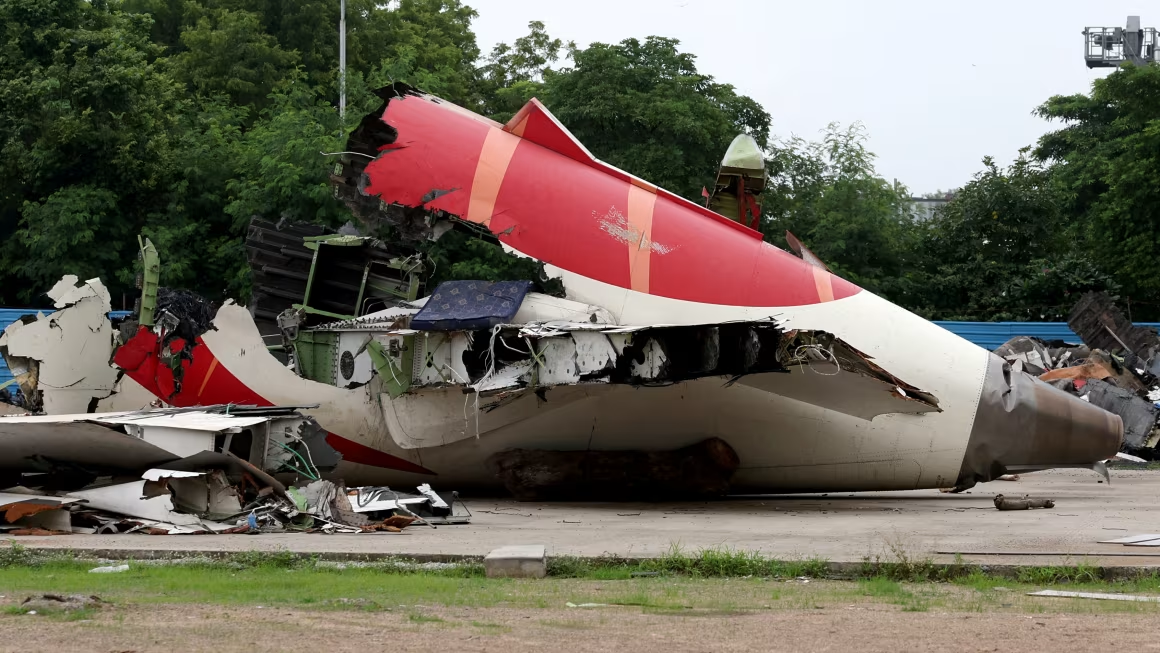
Air India Crash Rekindles Debate Over Cockpit Cameras
Ahmedabad, India — The wreckage of an Air India Boeing 787-8 Dreamliner still lies near Sardar Vallabhbhai Patel International Airport, where Flight 171 crashed shortly after takeoff on July 12, killing 241 of the 242 passengers and crew, along with 19 people on the ground.
The tragedy has reignited a decades-old debate in the aviation industry: should video cameras be installed in cockpits to monitor pilot actions alongside the voice and flight data recorders already used in accident investigations?
Speaking in Singapore on Wednesday, Willie Walsh, head of the International Air Transport Association and a former pilot, said there is a “strong argument” for cockpit video monitoring. His comments followed a preliminary report from India’s Aircraft Accident Investigation Bureau (AAIB), which raised questions about whether one of the pilots may have cut off fuel to the engines seconds after takeoff, triggering an unrecoverable situation.
Advocates argue that video footage could provide crucial context missing from audio and data recordings. Critics, however, warn of privacy concerns and potential misuse. Walsh suggested that video could also help investigators assess pilot mental health.
The debate is not new. In 2000, U.S. National Transportation Safety Board Chairman Jim Hall urged regulators to mandate cockpit image recorders after Egyptair Flight 990 was deliberately crashed by its first officer, killing 217 people. More recently, Australian investigators said video evidence was “invaluable” in determining that a pilot’s distraction — including mobile phone use and eating — led to a fatal helicopter crash in 2023.
Air safety experts remain divided. “In the balance between privacy and safety, the scale tips toward safety, unequivocally,” said former airline pilot John Nance. Accident investigator Anthony Brickhouse agreed video would have answered “lots of questions” about Flight 171, though he acknowledged pilots’ concerns.
Air India declined to comment, while the AAIB is expected to release its final report within a year under international rules.
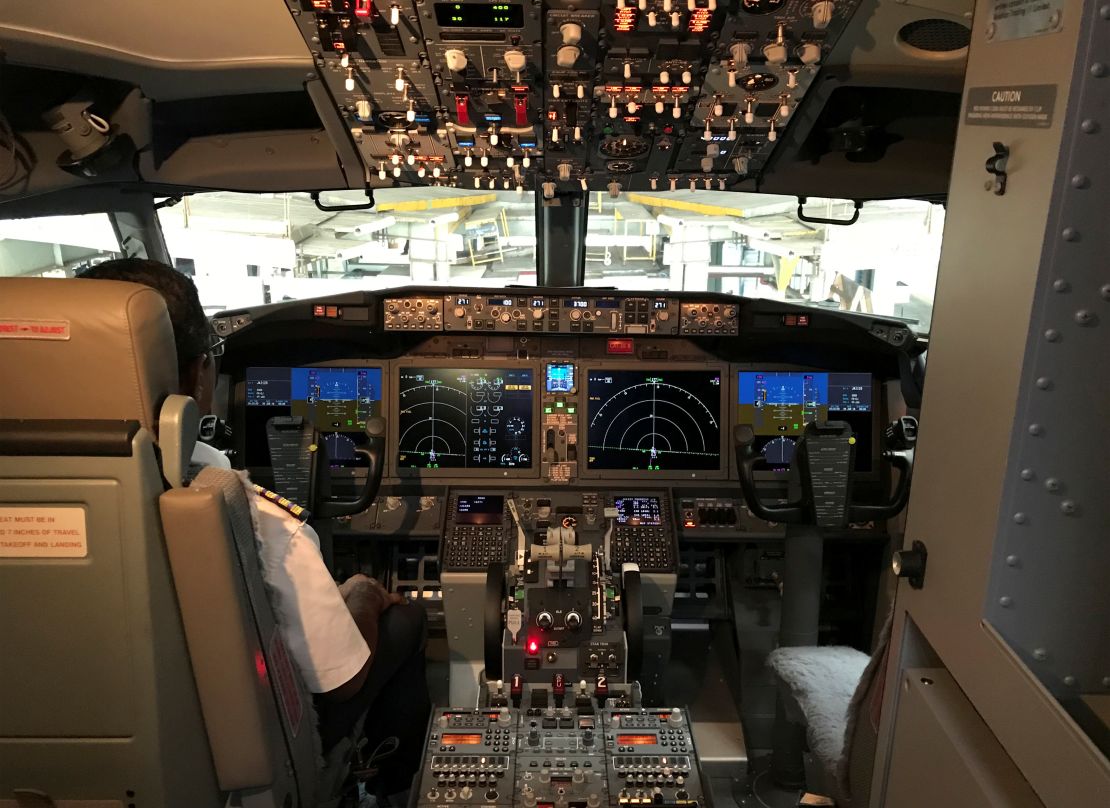
The cockpit of a Jet Airways Boeing 737 MAX 8 aircraft
Pilot Unions Push Back Against Cockpit Camera Proposals
U.S. pilots’ unions are voicing strong opposition to renewed calls for cockpit video cameras, arguing that existing voice and flight data recorders already provide sufficient information to determine the cause of crashes.
The Air Line Pilots Association (ALPA) and Allied Pilots Association (APA) say cameras would represent an invasion of privacy and could be misused. “The push for more information is understandable in the immediate aftermath of an accident,” said APA spokesperson Dennis Tajer, an American Airlines pilot. “But investigators already have the data they need. Cameras aren’t necessary.”
ALPA added that improving the quality of current safety systems would be more effective than introducing video monitoring.
Concerns extend beyond privacy. John Cox, an aviation safety expert and former ALPA safety chairman, warned that footage could be used for disciplinary purposes or leaked to the public. “A pilot’s death being broadcast on the evening news is not something families should ever face,” he said. While Cox acknowledged cameras could be useful if confidentiality were guaranteed worldwide, he remained cautious.
The International Federation of Air Line Pilots Associations (IFALPA) echoed those concerns, saying it doubted video confidentiality could ever be assured. “Given the demand for sensational images, we have no doubt that protection of cockpit video data would not be ensured,” the group said in a statement.
Cockpit voice recordings are typically kept confidential, with only transcripts released in final accident reports. Boeing declined to say whether airlines can order cockpit video recorders, while Airbus did not respond to requests for comment.

